Read our Google Birdeye Reviews
A secure cannabis checkout uses tokenized, PCI-compliant payment fields over an encrypted HTTPS connection, paired with real age verification and discreet delivery. Before you enter any card information, look for the lock icon in your browser bar and confirm the payment field is hosted by a named processor rather than built directly into the retailer’s own page. If anything looks off, contact support before you pay.
TL;DR:
- Using tokenized, PCI-compliant payment fields hosted by named processors greatly reduces skimming risks during online cannabis transactions.
- Verifying a secure checkout involves checking for HTTPS, a lock icon, and that payment forms redirect to a reputable processor domain.
- Retailers should clearly state their processor, privacy practices, and data retention policies to meet industry security standards.
- Discreet delivery depends on plain packaging, minimal personal data collection at the door, and confirmation of cashless options in advance.
- Federal mailing rules prohibit mailing actual cannabis through USPS, and interstate shipping remains illegal under federal law, especially in states like Texas.
Table of Contents
- Secure payment methods for cannabis checkout: card, ACH, prepay, and crypto
- How to verify a checkout is technically secure and spot third-party risks
- What to expect about data retention, privacy, and breach response
- What discreet packaging and delivery ID checks should look like
- Consumer-facing regulatory notes: USPS rules, TSA posture, and shipping limits
- What High Fashion Smokes & Prints does and what customers can expect from its secure checkout
- Five-step checklist before you enter payment information
- Why vendor vetting is the gap shoppers can’t see
- Order securely with same-day delivery in NYC
- FAQ
- Sources
Secure payment methods for cannabis checkout: card, ACH, prepay, and crypto
Online cannabis retailers typically offer a handful of payment paths, and each comes with its own security profile.
Card payments routed through a hosted, tokenized processor keep your card number off the merchant’s own servers. Hosted and tokenized payment fields reduce skimming risk because the data never touches the retailer’s domain directly, it goes straight to the processor.
ACH transfers and e-transfers pull funds straight from your bank account. They settle a bit slower than card payments but avoid storing card numbers anywhere in the transaction chain, which limits what a breach could expose.
Cryptocurrency and prepay models appeal to shoppers who want distance between their purchase and their bank statement. The trade-off is price volatility between the time you load funds and the time you spend them, plus uneven merchant support compared to card or bank payments.
Cashless at-the-door payment, often completed through an app or a pre-authorized charge, protects delivery drivers who would otherwise carry cash. The challenge is making sure the verification step at the door still confirms your identity without over-collecting personal data.
Before you check out, run through a quick list:
- Confirm the payment field is hosted by a named processor, not a blank box on the retailer’s own page.
- Check whether the retailer states a settlement or refund timeline for ACH or e-transfer.
- Ask if crypto payments are processed through a licensed exchange partner.
- Verify that cashless delivery options are confirmed in the order summary before the driver arrives.
How to verify a checkout is technically secure and spot third-party risks
A secure checkout leaves visible clues, and you can check most of them in under a minute.
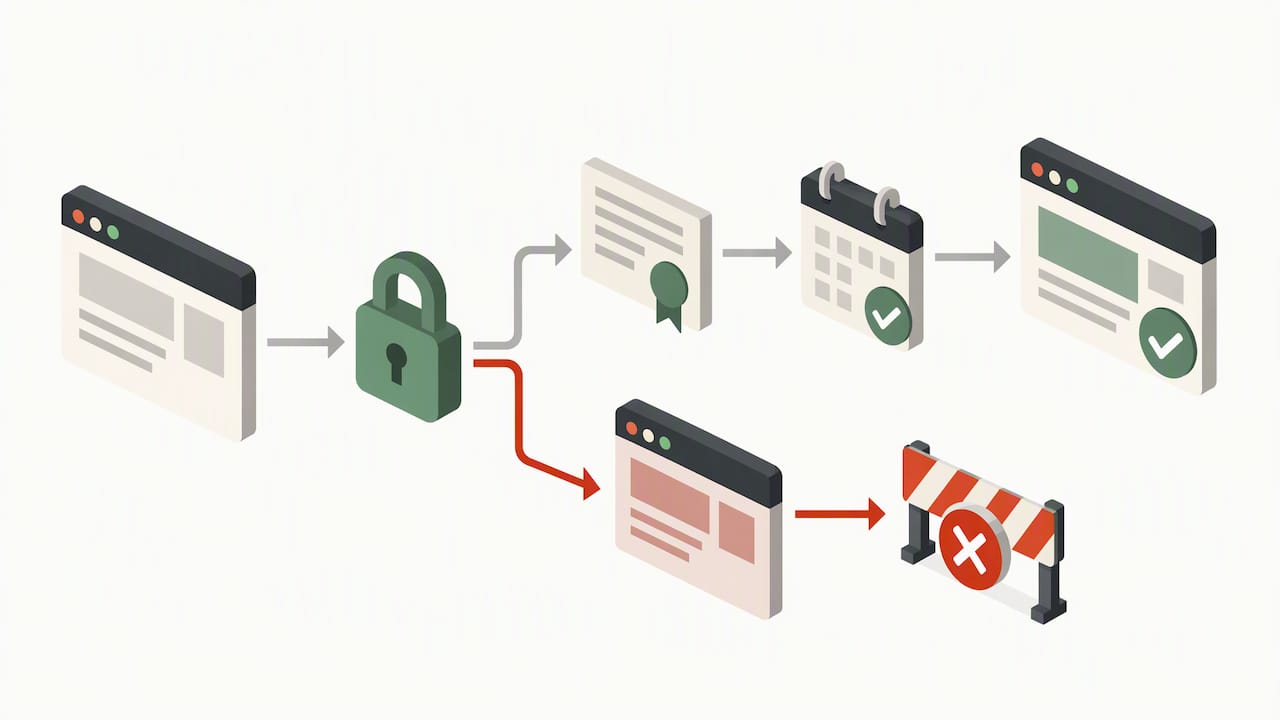
- Look at the address bar for “https” and a closed lock icon; an expired or invalid certificate warning means you should stop and leave the page.
- Check whether the payment form redirects to a separate, named processor domain instead of asking for card details directly on the retailer’s own URL.
- Scan for unfamiliar third-party scripts loading in the background. A checkout page stuffed with unrelated external domains is a common sign of a poorly secured setup.
- Look for a visible privacy policy link and any mention of penetration testing or a bug bounty program, both signals that a retailer takes vendor risk seriously.
- If none of this is clear, message support and ask which processor handles payments before you enter any card information.
Retailers that name their processor and publish privacy or security documentation are following practices industry security reporting recommends, including vendor vetting, incident response planning, and regular penetration testing. Security researchers have also traced cannabis data breaches back to third-party point-of-sale vendors rather than the retailer’s core platform, which is why the checkout vendor matters as much as the retailer itself.
Pro Tip: Open your browser’s site information panel (click the lock icon) before paying. It shows who issued the site’s security certificate and when, which takes five seconds and confirms you’re not on a spoofed domain.
What to expect about data retention, privacy, and breach response
A retailer that handles your data responsibly collects only what it needs: your name, proof of age, and a delivery address. Payment tokens, lab test reports, and order history should each follow a different retention rule, and a published privacy policy should spell out what gets kept and for how long.
A few habits protect you further on your end:
- Use a single-use or virtual card number for cannabis purchases when your bank offers one.
- Avoid saving payment details on a retailer’s site unless you trust its stated security practices.
- Read the privacy policy for a stated breach notification process, not just a general privacy statement.
- Ask support directly what happens to your data if the retailer changes vendors or closes an account.
Retailers that document how they test products and store results tend to apply the same discipline to customer data, a point worth checking alongside basic safe cannabis use practices like confirming lab testing before you buy.
What discreet packaging and delivery ID checks should look like
A secure delivery protects your privacy as much as your payment does. The outer packaging should carry no branding, logos, or product descriptions, just a plain box or bag with a shipping label.
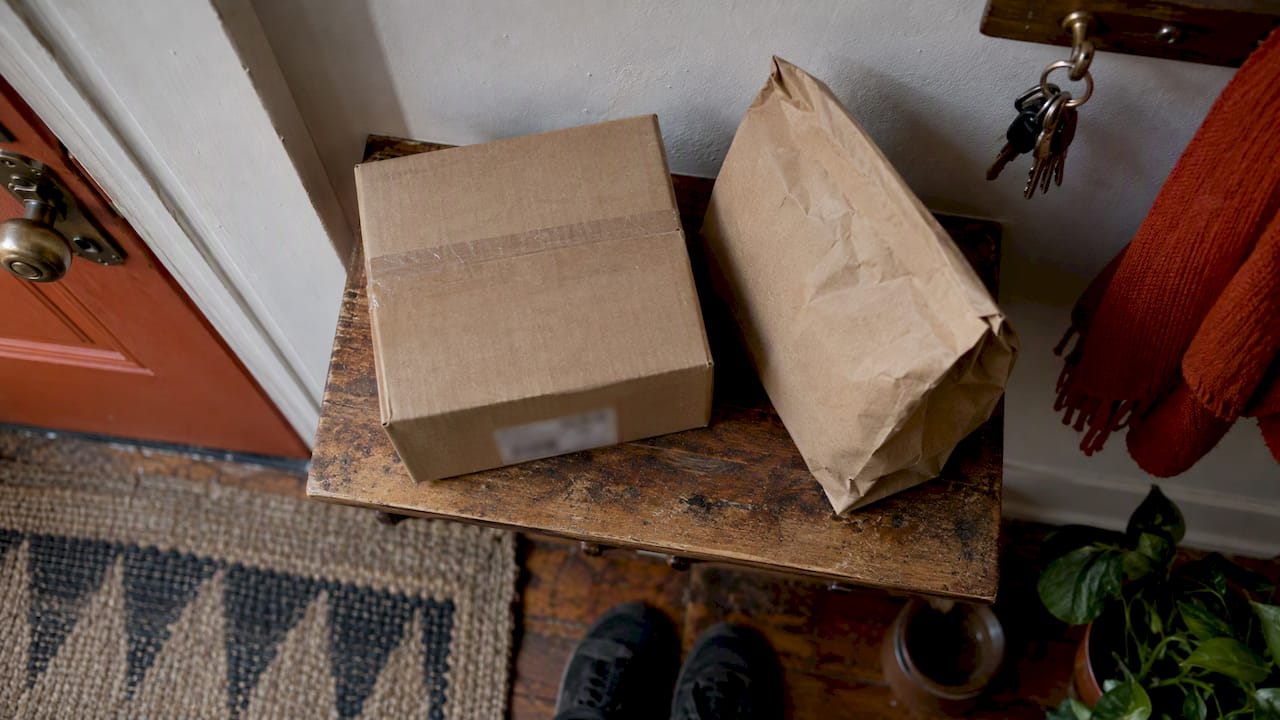
At the door, the driver should ask for ID to confirm you’re 21 or older without recording more than your age confirmation requires. Cashless payment at delivery, handled through a pre-paid order or an app charge, protects the driver from carrying cash and reduces the odds of a dispute over payment on your doorstep.
A few signs something is off:
- The package arrives with visible product branding or cannabis-related labeling on the outside.
- The driver asks for more personal information than your ID and order confirmation.
- You’re asked to pay in cash when you selected a cashless option at checkout.
- There’s no tracking or delivery window communicated ahead of time, which clear delivery hour windows should always include.
Consumer-facing regulatory notes: USPS rules, TSA posture, and shipping limits
Shipping cannabis across state lines or through the federal mail system runs into rules that catch a lot of buyers off guard. USPS Publication 52 sets mailing standards for hemp-based products and requires mailers to keep compliance documentation on file, meaning THC cannabis itself is generally not mailable through USPS regardless of state legality.
At the airport, TSA security officers do not search specifically for cannabis. Their screening targets threats to aviation safety, but if an officer discovers cannabis or another illegal substance during a routine check, the matter gets referred to local law enforcement.
- Shipping legality depends on both federal law and the laws of the states involved, not just where the retailer is based.
- Ask any retailer which carrier or delivery method they use and whether it stays within local, same-state boundaries.
- Request confirmation that the retailer retains documentation showing compliance with mailing or delivery rules.
Federal oversight of cannabis-related money movement runs through agencies like FinCEN, which sets reporting and anti-money-laundering expectations that shape how cannabis payments and banking relationships work behind the scenes.
What High Fashion Smokes & Prints does and what customers can expect from its secure checkout
We built our business around same-day delivery for adult cannabis consumers in New York City, and that same commitment to reliability carries into how we handle checkout and delivery. Our menus let you browse flower, vapes, edibles, concentrates, and accessories on your own schedule, with age verification built into the ordering flow.
Here’s what you’ll find when you check out with us:
- A secure age-verification step before any order is confirmed.
- Discreet delivery windows with plain packaging.
- A privacy policy that outlines what information we collect and why.
- Support available if you want to confirm processor or security details before paying.
If you have questions about how our checkout handles your data, our team is glad to walk you through it. You can also read more about safe local delivery practices we follow across the areas we serve.
Five-step checklist before you enter payment information
Run through these five checks before you submit an order anywhere online.
- Confirm the site uses HTTPS and shows a valid security certificate.
- Look for a hosted or tokenized payment field, or ask support which processor they use.
- Verify the retailer has a clear age-verification step and promises discreet packaging.
- Read the privacy policy for data retention and breach notification language.
- If anything feels unclear, contact support directly or choose a different retailer.
This short list takes less time than finishing your order and catches most of the red flags that lead to a bad experience.
Why vendor vetting is the gap shoppers can’t see
The checkout page itself is rarely where cannabis retailers get hacked. It’s the third-party vendors behind the scenes, the payment processor, the point-of-sale system, the age-verification tool, that tend to be the weak link. I’d like to see more retailers publish plain-language summaries of their penetration testing or at least name their processors outright. Until that becomes standard, your best protection is choosing retailers who are transparent about who handles your data and willing to answer directly when you ask.
— Jake
Order securely with same-day delivery in NYC
If you want a checkout that pairs real security with fast, discreet delivery, we built our service to do exactly that for adult cannabis consumers across New York City. Our secure age-verification flow and plain packaging are designed so you know exactly what you’re getting before the driver even arrives.
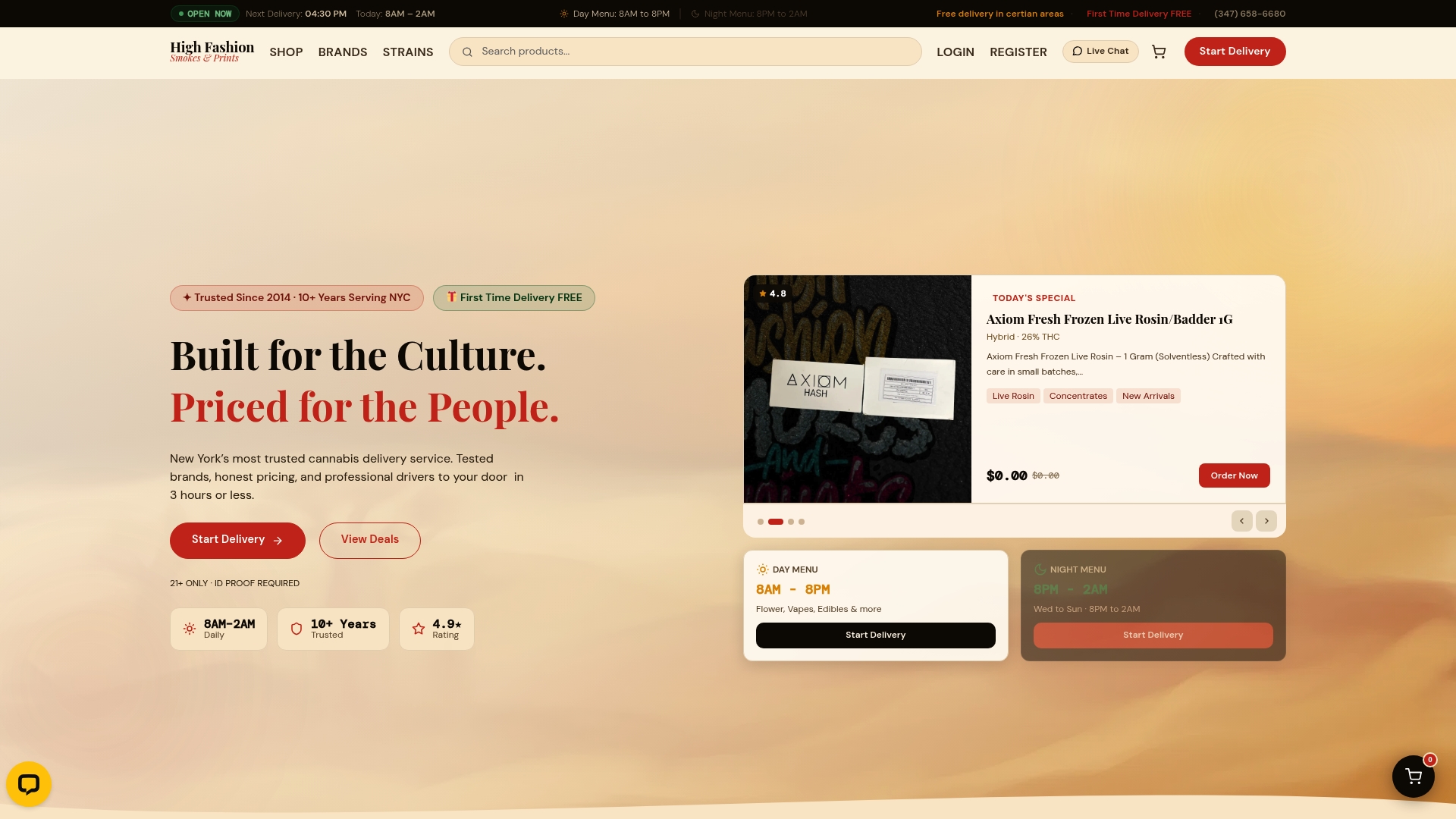
- Browse our day and night menus and place an order through our main ordering page.
- Confirm delivery fees for your borough before checkout.
- Reach out to our support team anytime if you want more detail on our checkout or privacy practices.
Place your order today through our secure checkout and see the difference a transparent, same-day delivery service makes.
FAQ
Do dispensary purchases show up on security clearance?
Dispensary purchase records are not something TSA or airport security checks during routine travel screening, since their focus is aviation safety rather than drug enforcement. Separate background check or clearance processes, run by employers or government agencies, are a different matter entirely and fall outside what a checkout or delivery service can control. If you have specific concerns tied to a workplace policy, check with the agency or employer involved, or review how CBD and cross-reactivity can factor into drug testing more broadly.
Is mail order cannabis legit?
Legitimate online cannabis delivery exists in states where recreational or medical cannabis is legal, but actual mailing of cannabis through USPS is restricted under federal mailing rules regardless of state law. Most legal online dispensaries use their own licensed local delivery drivers rather than the postal system, so confirm how a retailer actually gets your order to your door before trusting a mail-order claim.
Is TSA looking for cannabis anymore?
TSA officers are not specifically screening for cannabis or other drugs, since their job is to catch threats to aviation safety. If an officer happens to find cannabis or another illegal substance during a routine bag check, TSA policy is to refer the matter to local law enforcement rather than handle it directly.
Which online dispensary ships to Texas?
Licensed recreational cannabis delivery is tied to the laws of the state where the retailer operates, and interstate shipping of cannabis products remains illegal under federal law regardless of individual state rules. Shoppers in states without legal recreational cannabis, including Texas, should check their own state’s current hemp and CBD regulations rather than expect cannabis shipment from an out-of-state retailer.
Sources
For deeper reading, check the primary sources cited throughout this guide, including federal transportation and postal rules and industry cybersecurity reporting. Cannabis laws vary significantly by state and change often, so always confirm current rules for your own location before ordering.
- Medical Marijuana | Transportation Security Administration
- 453 Controlled Substances and Drugs | Postal Explorer
- How cannabis businesses can go digital while thwarting hackers | MJBizDaily
- The growing cybersecurity risks in the cannabis industry | Clark Hill
- Financial Crimes Enforcement Network