Read our Google Birdeye Reviews
The short answer: indica is generally associated with body-centered, sedating effects, while sativa is often linked to cerebral, energizing ones. That shorthand is useful at a glance, but National Geographic’s reporting on genetic and chemical analyses makes clear that botanical labels are poor predictors of what you’ll actually feel. The plant’s chemistry, such as its cannabinoid balance and terpene profile, along with consumption method, influence your experience more than the botanical label.
Dr. Ethan Russo, one of the most cited pharmacologists in cannabis research, puts it plainly: the indica/sativa distinction as commonly applied is not predictive of effects. What actually matters:
- THC/CBD balance: The ratio of these two cannabinoids shapes whether you feel intoxicated, calm, or somewhere in between.
- Terpene profile: Aromatic compounds like myrcene, limonene, and pinene modulate the high in ways that often matter more than the strain label.
- Dose and method of use: Different consumption methods, even with the same THC content, can lead to notably different experiences.
Pro Tip: Before you buy any cannabis product, request or download its Certificate of Analysis (COA). A real COA shows cannabinoid percentages, a terpene panel, and a batch ID. If a product doesn’t have one, skip it.
Key Takeaways
Indica and sativa labels are a useful starting point, but a product’s terpene profile and THC/CBD balance are the only reliable predictors of how it will actually affect you.
| Point | Details |
|---|---|
| Labels are shorthand, not science | Botanical indica/sativa labels don’t reliably predict effects; chemical composition does. |
| Terpenes drive the experience | Myrcene tends toward sedation; limonene and pinene tend toward alertness and uplift. |
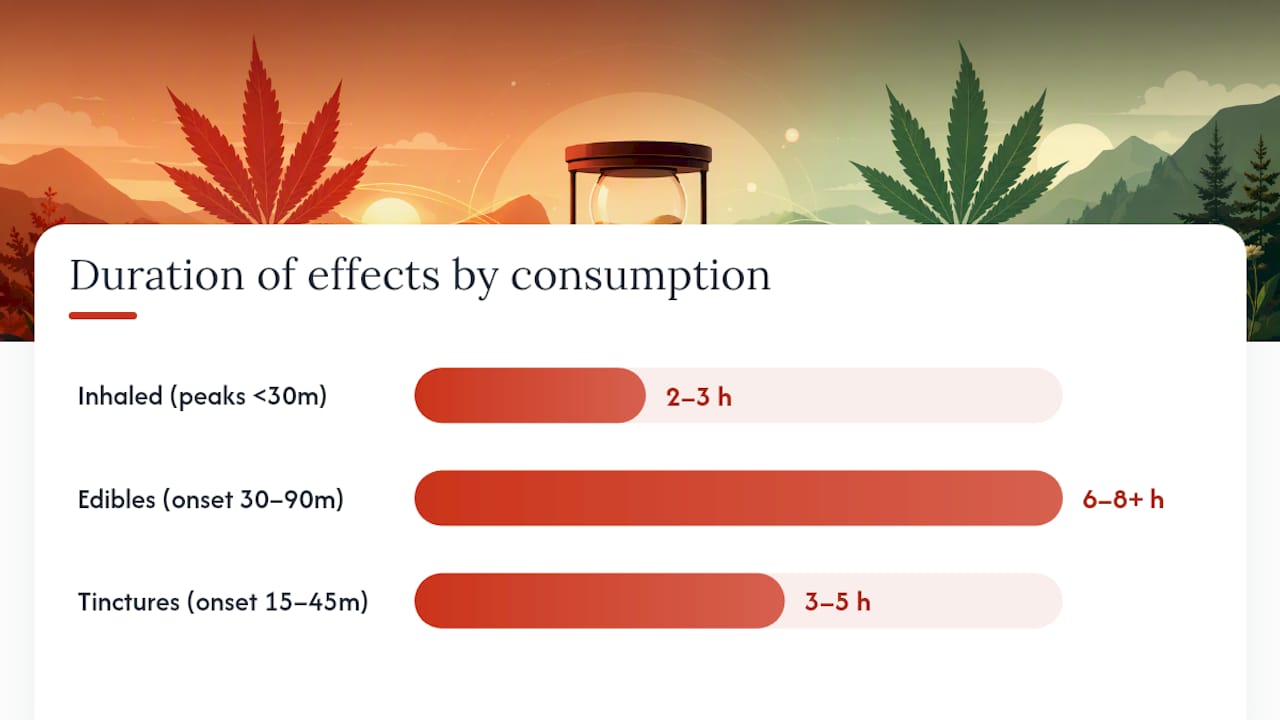
| Dose and method change everything | Edibles last 6–8 hours; inhalation peaks at 30 minutes and fades within 2–3 hours. |
| Start low, go slow | A low starting dose is generally recommended for edibles, with sufficient wait time before taking more. |
| Highfashionsmokesandprints provides COAs | Every product comes with verified lab testing so you can check cannabinoid and terpene data before ordering. |
Table of Contents
- What actually determines how a strain affects you?
- How indica-leaning products typically feel
- How sativa-leaning products typically feel
- Why most strains you’ll find are hybrids
- What peer-reviewed research actually says about indica vs sativa
- How to choose a strain that matches the effect you want
- Side effects, interactions, and when to talk to a doctor
- An honest editorial perspective on the indica/sativa debate
- Lab-tested cannabis delivered to your door in NYC
- Frequently asked questions about indica vs sativa effects
- Sources
What actually determines how a strain affects you?
The indica-sativa difference people talk about is real as a rough heuristic. As a reliable chemical predictor, it falls apart quickly. Here’s what the science actually points to.
THC and CBD: the primary levers
THC (delta-9-tetrahydrocannabinol) is the main intoxicating compound in cannabis. At higher doses it produces euphoria, altered perception, and, in susceptible people, anxiety or paranoia. CBD (cannabidiol) is non-intoxicating and appears to modulate THC’s effects, often softening the anxiety edge. A review of cannabinoids and subjective effects in NCBI repositories confirms that other minor cannabinoids, including CBN, THCV, and CBC, also contribute to the overall effect profile, though THC remains the dominant driver.
The ratio matters as much as the raw percentage. Higher THC numbers are frequently overhyped as the sole measure of potency, when the full cannabinoid picture tells a more accurate story.
Terpenes: the underrated variable
Terpenes are the aromatic compounds that give cannabis its smell and flavor. They also interact with cannabinoids to shape subjective effects, a phenomenon researchers sometimes call the entourage effect. Human terpene-action studies are still limited, and some evidence remains partly anecdotal, but the patterns are consistent enough that most pharmacologists take them seriously.
| Terpene | Common aroma | Commonly reported effect association |
|---|---|---|
| Myrcene | Earthy, musky | Sedation, body relaxation, “couch-lock” |
| Limonene | Citrus | Mood uplift, stress relief, alerting |
| Pinene | Pine | Mental clarity, alertness, memory retention |
| Linalool | Floral, lavender | Calming, anxiety reduction |
| Caryophyllene | Spicy, peppery | Anti-anxiety, mild analgesic properties |
| Terpinolene | Fresh, herbal | Uplifting, energizing |
The role of terpenes in anxiety relief is one of the more practically useful areas of cannabis research for consumers making real purchasing decisions.
Dose and method of use
How you consume cannabis changes everything about onset and duration. Smoking or vaping delivers effects within minutes, peaks around 30 minutes, and typically fades within 2–3 hours. Edibles take 30–90 minutes to kick in, peak at 2–4 hours, and can last 6–8 hours or longer depending on metabolism and dose. Tinctures taken sublingually fall in between, usually onset within 15–45 minutes.

A low dose of a high-THC sativa-leaning product might feel pleasant and focused. The same product at three times the dose can produce anxiety and sedation regardless of its label.
Pro Tip: When reading a COA, look for three things: total THC percentage (including THCA converted), total CBD percentage, and a terpene panel showing the top 3–5 terpenes by weight. The batch ID confirms the report matches the product in your hand.
How indica-leaning products typically feel
Indica-leaning products are what most people picture when they think about winding down at the end of the day. The commonly reported effects include:
- Deep body relaxation and muscle tension relief
- Sedation and sleepiness, especially at higher doses
- Reduced pain perception
- Appetite stimulation
- A quieter, less racing mental state
WebMD’s summary of indica vs sativa notes that folklore has long linked indica with body-relaxing effects, and consumer surveys do show higher rates of reported “relaxed” and “sleepy” responses after indica use. The biochemical explanation most often given involves higher concentrations of myrcene and linalool in many indica-leaning cultivars. Myrcene in particular is frequently cited in practitioner literature as associated with sedative effects. But the key word is “associated.” A strain labeled indica with low myrcene and very high THC can produce a stimulating, anxious experience, especially for someone with low tolerance.
Commonly referenced indica-leaning strains
These are widely discussed examples, not guarantees of a specific experience:
- Granddaddy Purple: Often cited for deep relaxation and sleep support; high myrcene expression.
- Northern Lights: A classic for stress relief and evening use; typically smooth and body-heavy.
- Bubba Kush: Frequently described as producing heavy sedation with a sweet, earthy flavor profile.
- OG Kush: Indica-leaning hybrid with a reputation for full-body calm and mood stabilization.
- Blueberry: Commonly referenced for gentle relaxation without overwhelming sedation.
Individual variability is real. Your tolerance, metabolism, and even your mood before consuming can shift how any of these land. Someone with high THC tolerance may find a classic indica strain barely sedating at all.
Pro Tip: If you’re using cannabis for sleep, look for products with high myrcene content and a moderate THC level rather than chasing the highest THC percentage on the shelf.
How sativa-leaning products typically feel
Sativa-leaning products are the go-to for daytime use, creative work, or social situations where you want to stay mentally present. Commonly reported effects include:
- Cerebral uplift and euphoria
- Increased energy and motivation
- Enhanced creativity and lateral thinking
- Sharper focus in low-to-moderate doses
- Heightened sensory awareness
The terpene patterns most often associated with these effects are limonene, pinene, and terpinolene. Limonene-dominant products tend to feel bright and mood-lifting. Pinene is linked to alertness and, interestingly, may partially counteract short-term memory impairment from THC. Terpinolene shows up frequently in strains users describe as energizing and fresh.
Dose still governs everything. A sativa-leaning product at a low dose can sharpen focus. At a high dose, especially in someone sensitive to THC, the same product can trigger anxiety, racing thoughts, or paranoia. That risk is worth naming directly: high-THC sativa-leaning strains are among the most common culprits for cannabis-induced anxiety in new or occasional consumers.
Commonly referenced sativa-leaning strains
- Sour Diesel: Widely cited for fast-acting cerebral energy and a pungent fuel-like aroma.
- Jack Herer: Named after the cannabis activist; typically described as clear-headed and creative.
- Green Crack: Known for sharp focus and sustained energy; high terpinolene expression in many phenotypes.
- Durban Poison: A South African landrace often described as producing clean, alert energy with a sweet anise profile.
- Super Lemon Haze: Limonene-forward with a reputation for mood uplift and sociability.
Why most strains you’ll find are hybrids
Pure indica or pure sativa is largely a relic of pre-commercial cannabis breeding. Decades of crossbreeding to maximize yield, potency, and specific effect profiles have produced a market where nearly every strain is a hybrid to some degree. Leafly’s consumer data confirms that most market strains are hybrids, and the indica/sativa labels on dispensary menus function more as shorthand for expected effect direction than as botanical descriptions.
What this means practically for anyone shopping:
- “Indica-leaning” and “sativa-leaning” are directional, not definitive. A strain labeled sativa-leaning may still produce relaxing effects if its terpene profile skews toward myrcene and linalool.
- The COA is the only reliable guide. Labels are a starting point; the lab report tells you what’s actually in the product.
- Judge by effect, not lineage. If a strain consistently produces the effect you want, note its cannabinoid and terpene profile, not just its name.
A concrete example: a hybrid marketed as “sativa” because of its plant structure might carry a myrcene-dominant terpene profile inherited from its indica parent. Consumers who buy it expecting an energizing experience sometimes report feeling unexpectedly drowsy. The label said sativa; the chemistry said otherwise.
Ruderalis, the third Cannabis subspecies, is worth a brief mention. It’s a low-THC, auto-flowering plant native to Central Asia, rarely sold on its own but sometimes used in breeding programs to introduce auto-flowering traits. You’re unlikely to encounter a pure ruderalis product at any dispensary.
What peer-reviewed research actually says about indica vs sativa
The scientific consensus is less ambiguous than the dispensary menu might suggest. Large chemical and genetic analyses find no consistent THC/CBD split that maps reliably to the lay labels “sativa” and “indica.” Cannabinoid content varies widely regardless of botanical label, a finding documented by National Geographic based on genetic and chemical analyses.
Frontiers in Plant Science research on Cannabis chemotypes shows that chemotype clusters, groupings based on terpene and cannabinoid expression, are more informative than simple indica/sativa taxonomy. Strains cluster meaningfully by terpene dominance (myrcene-dominant vs. limonene-dominant, for example) in ways that the botanical label doesn’t capture.
A cross-sectional survey of cannabis users does show self-reported differences: people report higher rates of “relaxed” and “sleepy” effects after using products labeled indica. But self-reports don’t prove botanical causality. They likely reflect the fact that myrcene-heavy cultivars happen to be more common among products sold as indica, not that the label itself causes sedation.
Dr. Ethan Russo position, published in a peer-reviewed interview, is worth quoting directly:
The study types most worth trusting on this topic are large chemical surveys of commercially available strains, genetic analyses using molecular markers, and cross-sectional user surveys that control for dose and method of use. Single-strain anecdotes and marketing copy are the least reliable.
Pro Tip: When talking to a budtender or ordering online, ask specifically: “Can I see the COA for this batch?” Look for the batch ID, total cannabinoid percentages, and a terpene panel. Any reputable dispensary should be able to provide this without hesitation.
How to choose a strain that matches the effect you want
Forget the label for a moment. Here’s a practical checklist that works regardless of what the package says.
- Decide on your desired effect. Be specific: sleep, focus, pain relief, social ease, creativity. Vague goals lead to random results.
- Check the COA for THC, CBD, and terpenes. For sedation, look for higher myrcene and linalool. For energy and focus, look for limonene, pinene, or terpinolene dominance. For anxiety management, a higher CBD-to-THC ratio often helps.
- Choose your method of use based on how long you want effects to last. Smoking or vaping for shorter, more controllable sessions. Edibles for longer duration but less predictable onset. Tinctures for a middle ground.
- Set a dose plan before you start. For inhalation, one or two draws and wait 10–15 minutes before deciding whether to take more. For edibles, 2.5–5 mg THC is a conservative starting dose for new consumers; wait at least 90 minutes before redosing. For tinctures, 5–10 mg sublingually is a reasonable starting range.
- Start low, go slow, and log your results. Note the strain name, batch ID from the COA, dose, method, and how you felt. After a few sessions you’ll have a personal reference that beats any label system.
Red flags to avoid when buying
- No COA available, or the dispensary can’t produce one on request
- Potency claims that seem unrealistically high with no lab backing
- No batch ID on the COA (means you can’t verify the report matches the product)
- Testing done by an unknown or unaccredited lab
For sativa vs indica vs hybrid guidance tailored to NYC buyers, Highfashionsmokesandprints carries lab-tested products with COAs available, and the team can point you toward specific terpene profiles that match your goals.
Side effects, interactions, and when to talk to a doctor
Cannabis is generally well-tolerated by healthy adults at moderate doses, but the side effect profile is real and worth knowing before you consume.
Common side effects, most of which are dose-dependent:
- Anxiety and paranoia: Most common with high-THC products, especially sativa-leaning ones at higher doses. Reducing dose or choosing a higher CBD-to-THC ratio usually helps.
- Increased heart rate: THC temporarily elevates heart rate, which can feel alarming. It typically resolves within an hour.
- Dizziness or lightheadedness: More common with rapid inhalation or standing quickly after consuming.
- Dry mouth and dry eyes: Nearly universal at higher doses; easily managed with water and eye drops.
- Impaired coordination and reaction time: Driving or operating machinery while impaired is dangerous and illegal. This applies regardless of strain type or how experienced you are.
- Sedation: Especially with indica-leaning, myrcene-heavy products. Plan accordingly.
Drug interactions are a real concern that doesn’t get enough attention in casual cannabis discussions. THC and CBD both interact with the cytochrome P450 enzyme system, which metabolizes many common medications. CBD in particular can affect blood levels of anticoagulants like warfarin, certain antiepileptics, and some sedatives. If you take any prescription medication, talk to your prescribing clinician before adding cannabis to your routine. Understanding THC metabolism is also relevant if you’re concerned about detection windows or how long effects persist in your system.
A few specific populations need extra caution:
- Mental health vulnerabilities: People with a personal or family history of psychosis or schizophrenia should avoid high-THC products. Cannabis use, particularly heavy use of high-THC products, is associated with elevated risk of psychotic episodes in genetically susceptible individuals.
- Pregnancy and breastfeeding: No established safe level of cannabis use exists during pregnancy or while breastfeeding. Avoid entirely.
- History of substance use disorder: Cannabis can be habit-forming, particularly with daily high-dose use. Consult a clinician before using if you have a history of substance use disorder.
Keep all cannabis products secured and out of reach of children. Follow New York State age restrictions: you must be 21 or older to purchase or possess recreational cannabis.
This article provides general information, not medical advice. Consult a qualified clinician before using cannabis if you have a health condition, take medications, or have concerns about your specific situation.
An honest editorial perspective on the indica/sativa debate
The indica/sativa binary has survived this long not because it’s accurate, but because it’s useful. Dispensary staff need a quick way to sort customers into “upper or downer?” and the two-category system does that job efficiently. Retailers and budtenders keep these labels because they’re easy shorthand, even when the chemistry doesn’t back them up, as National Geographic’s reporting makes clear.
What bothers me about the current state of consumer cannabis education isn’t that the labels exist. It’s that too many buyers treat them as guarantees. Someone picks up a “sativa” because they want energy, gets a myrcene-heavy hybrid that puts them on the couch, and concludes cannabis isn’t for them. That’s a fixable problem, and the fix is a COA.
The deeper issue is that the cannabis industry has been slow to standardize how terpene data is presented to consumers. Cannabinoid percentages are now fairly routine on labels. Terpene panels are still inconsistent, often buried in a COA that most buyers never request. Until terpene data is as visible as THC percentage, the indica/sativa shorthand will keep filling the gap, accurately or not.
The practical takeaway: use the label as a starting direction, then immediately look past it. A strain’s myrcene-to-limonene ratio tells you more about your likely experience than whether it’s called indica or sativa. That’s not a complicated idea, but it requires dispensaries to make COAs easy to access, and it requires consumers to ask for them. Both sides of that equation need to do better.
Lab-tested cannabis delivered to your door in NYC
Highfashionsmokesandprints has been delivering lab-tested cannabis across New York City since 2011, and the COA question is one we take seriously. Every product on the menu, from flower and vapes to edibles and concentrates, comes with verified lab testing so you can check cannabinoid percentages and terpene profiles before you order, not after.
If you’ve read this far and you’re ready to put the COA checklist to use, browse the full menu and filter by effect or product type. For Brooklyn customers, same-day weed delivery in Brooklyn is available with day and night ordering windows. You must be 21 or older to order, and valid ID verification is required at delivery. Questions about which terpene profile fits your goals? Contact the team directly, and they’ll point you to the right COA.
Frequently asked questions about indica vs sativa effects
How long do cannabis effects last depending on how you consume it?
Inhaled cannabis (smoking or vaping) typically peaks within 30 minutes and fades within 2–3 hours. Edibles take 30–90 minutes to onset, peak at 2–4 hours, and can last 6–8 hours or longer based on dose and individual metabolism. Tinctures taken sublingually usually onset within 15–45 minutes and last 3–5 hours.
Can terpenes actually change the high?
Yes, meaningfully so. Terpenes interact with cannabinoids in ways that modulate the subjective experience, a relationship researchers refer to as the entourage effect. A myrcene-heavy product tends to feel more sedating than a limonene-dominant one at the same THC level, even though the THC content is identical.
Why do two people feel completely different effects from the same strain?
Individual variability comes down to tolerance, genetics (including endocannabinoid receptor density), metabolism, body weight, prior cannabis experience, and even mood and setting at the time of use. A strain that produces mild relaxation in a regular consumer can produce strong anxiety in someone new to cannabis at the same dose.
When should I consult my doctor before using cannabis?
Talk to a clinician if you take any prescription medication (especially anticoagulants, antiepileptics, or sedatives), have a personal or family history of psychosis or anxiety disorders, are pregnant or breastfeeding, or have a history of substance use disorder. Cannabis interacts with the cytochrome P450 enzyme system and can affect how your body processes certain drugs.
Is the indica/sativa distinction useful at all?
As a rough directional guide, yes. As a reliable predictor of effects, no. Use the label to narrow your starting point, then read the COA to understand what’s actually in the product before you buy.
This article is general information, not a substitute for advice from a qualified doctor. Consult a qualified healthcare professional about your own circumstances before acting on anything here.
Sources
- The Cannabis sativa Versus Cannabis indica Debate: An Interview with Ethan Russo, MD – PMC
- Indica vs. sativa: Science suggests there’s not actually a difference | National Geographic
- Indica vs. Sativa: What’s the Difference? – WebMD
- Indica vs sativa vs hybrid strains: definition, effects, differences | Leafly