Read our Google Birdeye Reviews
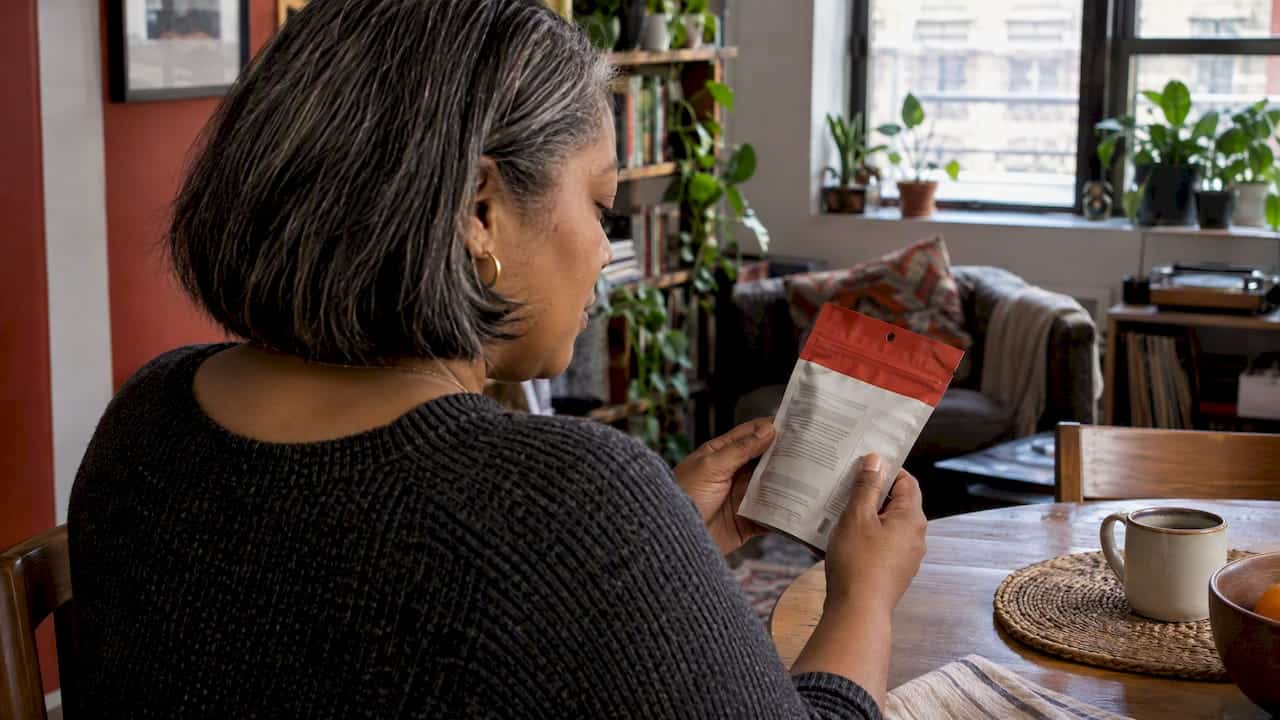
The cannabis plant contains no gluten, but an edible is more than the plant. Flour, cookie pieces, flavorings and shared kitchen equipment can all bring gluten in. The safest gluten-free edibles are usually simple formats such as sugar-based hard candies, pectin gummies and drinks, and you should confirm each one on the label and with the maker. This guide shows how to do that, what the rules say, how to dose, and what to look for when you order in New York City.
TL;DR
- Cannabis and hemp are naturally gluten-free. Brownies, cookies and some candies may not be, because of added ingredients or cross-contact.
- In the U.S., a “gluten-free” food claim means under 20 ppm of gluten. Cannabis packaging does not follow food labeling in the same way, so ask the brand.
- Drinks, hard candies and pectin gummies are the easiest places to start. Avoid baked goods unless the brand states how they are made.
- Start low. Edible effects can take up to 4 hours to arrive and last more than 8.
- In New York, buy products that carry lab testing and accurate labels, so the ingredient list you rely on is a real one.
Table of Contents
- Are cannabis edibles gluten-free?
- What “gluten-free” actually means on a label
- How to verify a THC edible is gluten-free
- Which formats are the safest bets
- What the rules mean in New York
- Dosing gluten-free edibles safely
- A note on THC lemonades and sodas in NYC
- Perspective: how we think about gluten-free shopping
- Order tested edibles delivered in NYC
- FAQ
- Sources
Are cannabis edibles gluten-free?
The plant itself is. Cannabis is not related to wheat, barley or rye, so flower, resin and the oils made from them carry no gluten on their own.
Federal rules define gluten as the proteins that occur naturally in wheat, rye, barley or their crossbred hybrids. That definition matters because the risk in an edible never comes from the cannabis. It comes from everything around it:
- Wheat flour in brownies, cookies, cakes and crispy treats.
- Cookie, cereal or pretzel inclusions in chocolate bars and bites.
- Barley malt, rye or oat ingredients in flavorings, syrups and some confections. Oats are a frequent trap, since they are often processed alongside wheat.
- Shared equipment, where a gluten-free recipe runs on the same line or surfaces as a recipe with wheat.
A Canadian academic health resource sums up the practical reality: edibles like candies, cookies or brownies may contain gluten, so read the ingredient list instead of assuming. That advice applies in New York just as well.
What “gluten-free” actually means on a label
It helps to know the standard before you trust a claim.
Under the FDA’s rule for food, a product may be called gluten-free only if it contains no gluten-containing grain, no unprocessed derivative of one, and no processed derivative that leaves 20 ppm or more of gluten. Any gluten that cannot be avoided must also stay below 20 ppm.
Two points follow from this:
- “Wheat-free” is not “gluten-free.” Gluten can also come from barley, rye, oats and triticale, and Canada’s food regulator is explicit that a wheat-free claim does not establish gluten-free status.
- “May contain” is a different statement. Precautionary wording speaks to unintended cross-contact and, according to the same regulator, does not replace good manufacturing practices. It should not appear when a gluten ingredient was added on purpose.
Here is the catch for cannabis shoppers. The FDA’s gluten-free rule is written for food, and a cannabis product sold in a state market is not packaged as an ordinary grocery item. So a “gluten-free” badge on a gummy is a brand’s claim, not something you can assume was checked to the FDA’s food standard. That is why the verification steps below matter.
How to verify a THC edible is gluten-free
If you have celiac disease or a wheat allergy, treat each new product as unverified until it passes these checks.
1. Read the whole ingredient list
Look for wheat, barley, rye, malt, oats, “natural flavors” that you cannot place, and anything cookie-like or cereal-like. If you are new to reading cannabis packaging, our guide to cannabis label checks walks through what each panel should tell you.
2. Look for an explicit claim
A clear “gluten-free” statement is better than silence. A third-party gluten-free certification is better still, because it implies testing and facility controls.
3. Check the allergen statement
Some manufacturers state what else their facility handles. One New York-area dispensary-edition product page, for example, says the item is made in a facility that processes milk, soy, peanuts and tree nuts. Statements like this are useful because they show how the brand thinks about cross-contact. Gluten may or may not be on the list, so you still need to ask.
4. Ask the brand directly
Email or message the maker and ask three questions: Is there a dedicated gluten-free production space? Is any wheat-containing product made on the same equipment? Is the finished product tested for gluten? A brand that cannot answer is telling you something.
5. Trust the printed package
Product web pages are sometimes calculated or generic. One sugar-free hard candy maker notes on its own page that the printed package is the authoritative source. Always compare the page with the package in your hand.
6. Check the lab results too
A certificate of analysis tells you potency and contaminants, not gluten, but it confirms the product is what it says. Our walkthrough on how to verify cannabis lab results covers the quick checks.
Which formats are the safest bets
Not every edible carries the same risk. Here is a practical ranking from simplest to riskiest.
| Format | Typical gluten risk | What to check |
|---|---|---|
| THC drinks (seltzers, sodas, lemonades) | Low | Flavorings, any barley or malt, brewing-style bases |
| Hard candies and drops | Low | Sugar or isomalt base, flavor sources, shared equipment |
| Pectin gummies | Low to moderate | Starch sources, coatings, shared lines |
| Chocolates | Moderate | Cookie, wafer, cereal or malt inclusions |
| Baked goods (brownies, cookies) | High | Flour type, kitchen practices, dedicated space |
The logic is simple. The fewer ingredients, the fewer places gluten can hide. A hard candy built from a sugar alcohol, water and fruit flavoring leaves very little room for it. For a sense of how short such a list can be, one sugar-free drop is listed as isomalt, distilled water, lemon flavor, freeze-dried raspberries and sour lemon powder, at 5 mg THC per drop. A short list is not proof of gluten-free status, but it makes your verification job much easier.
Gummies
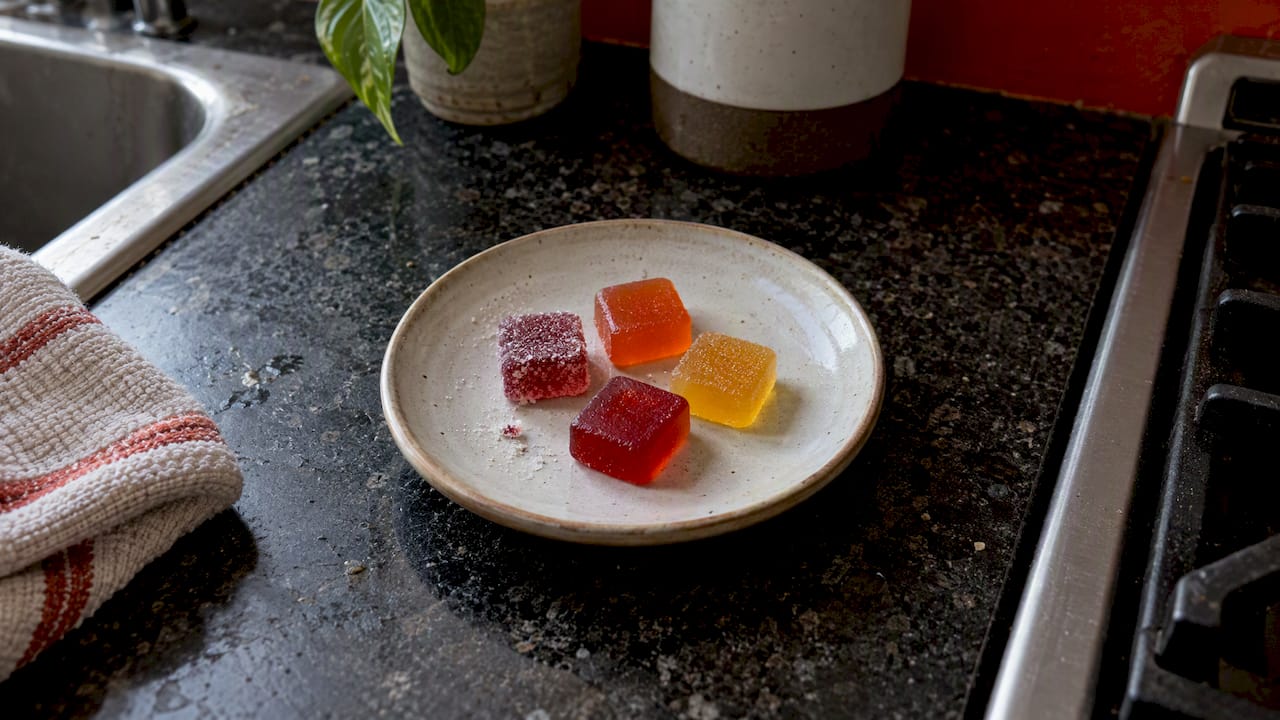
Many gummies use pectin or gelatin, sugar and syrup, which contain no gluten by nature. Trouble arrives through coatings, dusting and starch. If a gummy lists wheat starch or does not say what its starch is, move on or ask. Gummies made on shared lines with other candies are also worth a question.
Drinks
THC seltzers, sodas, lemonades and teas are often the simplest choice because they are mostly water, sweetener and flavor. Be careful with anything marketed as a beer alternative or made with malt. Read the label the same way you would read a food label.
Chocolates and baked goods
Cookie-style bites and brownies deserve the most scrutiny. Unless the brand says it uses a dedicated gluten-free recipe and facility, skip them.
What the rules mean in New York
Rules differ by place, so it is worth separating what applies in New York from what applies elsewhere.
In New York’s regulated adult-use market, third-party testing and accurate labeling are part of the system. The state’s cannabis office also notes that intoxicating hemp products sold outside that system may lack testing and packaging protections. For you, that means a label’s ingredient list is more reliable on a tested product than on something from an unregulated shelf.
Canada offers a useful comparison because its rules are explicit. Canadian regulations require edible cannabis labels to list ingredients and identify food allergen or gluten sources, apart from cross-contamination, and to name the source if a cross-contamination warning is given. Health Canada’s packaging guide adds that a gluten-free claim is allowed only when factual and not misleading, and that it considers gluten below 20 ppm not to pose a risk for people with celiac disease. Those are Canadian rules and do not bind a New York brand. They are still a good yardstick for the kind of clarity you should expect from any maker.
Dosing gluten-free edibles safely
A gluten-free label says nothing about strength. Edibles are digested, so the effect builds slowly. A peer-reviewed review reports that effects can be delayed by up to 4 hours and last more than 8 hours, and notes that Canada caps each edible unit at 10 mg THC. That cap is Canadian law, not a New York rule, but it is a sensible reference point for a first try.
A few habits keep the experience comfortable:
- Start with 2.5 to 5 mg if you are new, or if you have not had an edible in a while.
- Wait at least two hours before taking more, and longer if you can. Taking more too soon is the classic mistake.
- Check the per-piece dose, not the package total. A 100 mg pack of 20 drops is 5 mg a piece. A 1,000 mg gummy jar can hold many servings.
- Do not combine with alcohol or drive after use.
- Keep products locked away from children and pets, in the original packaging.
Our beginner’s guide to dosing edibles safely goes deeper on pacing and what to do if you overshoot. If you have celiac disease or another medical condition, or take medication, ask your doctor before using cannabis. Anyone with a severe wheat allergy should discuss cross-contact risk with an allergist first.
A note on THC lemonades and sodas in NYC
People in the city often ask about THC lemonades and sodas, and they are indeed a natural fit for a gluten-free approach: simple ingredients, clear dosing per can or bottle, and no baking. Doses and ingredients vary by brand, so we will not give you a one-size answer. Compare the milligrams per bottle, whether the product is sold through a licensed, tested channel, and the full ingredient list. Then run the same verification steps as above, including asking the maker about gluten if it matters to you.
Perspective: how we think about gluten-free shopping
We have delivered across the five boroughs since 2011, and one pattern repeats: customers with dietary restrictions rarely ask whether a product is strong. They ask whether it is safe for them. We take that seriously, and we are straight about its limits.
We do not claim every product we carry is gluten-free, and you should be wary of any shop that does. What we can do is point you to brands with clear ingredient lists, tell you what we know, and encourage you to check the package and the lab results before you order. Our menu covers edibles, drinks, pre-rolls, vapes and concentrates, and the simpler the format, the easier it is to confirm.
If gluten is a medical issue for you, treat our listings as a starting point and the printed package and the maker’s answer as the final word. That is how we shop for ourselves.
— Jake
Order tested edibles delivered in NYC
When you are ready, browse our day and night menus for edibles and gummies, THC beverages and more. Every order is age-verified, and you can choose same-day or scheduled delivery. Delivery fees start from $8 in Queens and from $12 in Manhattan and the Bronx. See the full menu and delivery details to place an order.
Before you check out, open the product page, read the ingredient list, and message us if you want help narrowing the options.
FAQ
Are THC gummies gluten-free?
Often, but not always. Pectin or gelatin, sugar and flavoring contain no gluten, but starch, coatings and shared production lines can add it. Check the ingredient list, look for an explicit gluten-free claim, and ask the brand about cross-contact.
Is “wheat-free” the same as “gluten-free”?
No. Gluten can also come from barley, rye, oats and triticale. A wheat-free product can still contain one of those, so look for a gluten-free claim and read the full ingredients.
What is the safest type of edible for someone with celiac disease?
Drinks and simple hard candies are usually the easiest to verify because their ingredient lists are short. Baked goods and chocolates with inclusions carry the most risk. Whatever you choose, confirm with the manufacturer, and talk to your doctor about cannabis use.
Does a lab test tell me whether an edible has gluten?
Not by itself. A standard cannabis certificate of analysis covers potency and contaminants. Gluten status comes from the ingredient list, the brand’s claims and its manufacturing practices, so ask the brand whether the finished product is tested for gluten.
How much THC should I take from a gluten-free edible?
If you are new, start with 2.5 to 5 mg and wait at least two hours before taking more. Effects can take up to 4 hours to arrive, so patience matters more than the format.
Sources
- 21 CFR § 101.91, Gluten-free labeling of food
- Alcohol, cannabis and celiac disease: What you need to know
- Allergen-free, gluten-free and cross-contamination (Canadian Food Inspection Agency)
- Health considerations of the legalization of cannabis
- An Overview of Hemp, Intoxicating Hemp & New York’s regulated market
- Cannabis Regulations, section 132.18 (Canada)
- Packaging and labelling guide for cannabis products (Health Canada)
- Lemon Raspberry Sour Drops product page
- Boost 5mg product page