Read our Google Birdeye Reviews
Yes, edibles expire, but not in one single way. There are two separate clocks running the moment you buy or bake them: a food-safety clock and a potency clock. The first one determines whether an edible can make you sick; the second determines whether it still gets you high the way you expect.
As a rough guide, sealed gummies and hard candies hold up for 6 to 12 months, chocolates run a similar range, and refrigerated baked goods last only 1 to 2 weeks unless frozen. Tinctures and oils, protected from light in dark glass, can go 1 to 2 years.
- Gummies and hard candies: 6 to 12 months sealed
- Chocolates: 6 to 12 months, cooler storage extends it
- Baked goods: 1 to 2 weeks refrigerated, months if frozen
- Tinctures and oils: 1 to 2 years depending on the bottle
Pro Tip: If an edible smells sour, looks moldy, or feels unusually sticky or dry, throw it out. That’s a food-safety call, not a potency guess.
Key Takeaways
Edibles carry two separate expiration risks, food spoilage that affects safety and cannabinoid degradation that affects potency, and treating them as one issue leads to bad decisions.
| Point | Details |
|---|---|
| Two-path expiration | Spoilage threatens safety; THC-to-CBN conversion only reduces potency, it doesn’t create toxicity. |
| Format drives shelf life | Gummies and chocolates last 6 to 12 months; baked goods last just 1 to 2 weeks refrigerated. |
| Light matters most | UV exposure drives cannabinoid breakdown faster than moderate temperature changes. |
| Sensory check first | Mold, sour smells, or texture changes mean discard; no spoilage signs means dose conservatively instead. |
| Choose tested products | Highfashionsmokesandprints delivers lab-tested, clearly dated edibles across NYC, removing the potency guesswork of unlabeled batches. |
This article is general information, not a substitute for advice from a qualified doctor. Consult a qualified healthcare professional about your own circumstances before acting on anything here.
Table of Contents
- What Makes Shelf Life Edibles Different From Food Expiration
- How Long Do Different Edibles Actually Last?
- What Speeds Up Spoilage and Potency Loss?
- How Can You Tell If an Edible Has Gone Bad?
- Best Practices for Storing Edibles Long Term
- Does Freezing Edibles Actually Preserve Potency?
- Commercial vs. Homemade Edibles: Why Labels and Lab Testing Matter
- What Should You Expect From an Older Edible?
- What Storage Advice Gets Wrong
- Skip the Guesswork With Tested, Dated Edibles
- Sources
What Makes Shelf Life Edibles Different From Food Expiration
Food spoilage and cannabinoid decay run on different timelines, and confusing them leads to bad decisions. Spoilage comes from bacteria, mold, and yeast feeding on moisture, sugar, dairy, or eggs. A cannabutter brownie behaves like any other baked good with butter in it. Once it sits out, it follows normal food-safety windows for perishable items.
Potency loss is a chemical process. THC slowly converts into CBN when exposed to heat, light, and oxygen, which dulls the high and shifts the effect toward sedation rather than danger. It doesn’t turn toxic; it just gets weaker and mellower over time, according to laboratory research on cannabinoid stability.
- Spoilage risk: bacteria, mold, moisture, and perishable ingredients
- Potency risk: heat, light, and oxygen breaking down THC into CBN
- Neither path makes an edible “expire” the way milk does overnight
Nevada’s cannabis regulator backs this framework with hard numbers, capping most shelf-life extensions at one year because THC typically drops around 10% annually even under decent storage.
How Long Do Different Edibles Actually Last?
Shelf life varies enormously by format because ingredients, moisture, and packaging all play a role. A sealed gummy behaves nothing like a fudgy brownie sitting in a paper bag.
| Edible type | Typical shelf life | Storage notes |
|---|---|---|
| Gummies and hard candies | 6–12 months sealed | Low moisture and sugar content slow spoilage |
| Chocolates | 6–12 months | Fat content can turn rancid faster in warm rooms |
| Baked goods | 1–2 weeks refrigerated | Eggs and dairy make these the fastest to spoil |
| Beverages and syrups | Weeks to a few months | Follow the label; many need refrigeration after opening |
| Tinctures and oils | 1–2 years | Dark glass and tight seals slow THC breakdown |
| Cereal and granola treats | 2–4 weeks | Similar risk profile to baked goods |
Sealed, unopened packaging consistently outperforms anything left open to air. Preservatives in commercial gummies and chocolates buy extra months compared to homemade versions with no additives at all. High-fat items like chocolate and brownies degrade faster than dry, sugar-dense candy because fat oxidizes and turns rancid well before sugar does.
The Nevada Cannabis Compliance Board sets format-specific maximums and won’t approve dates beyond one year without dedicated stability testing, since THC loss of roughly 10% per year is the baseline assumption regulators build into every shelf-life decision. That single number is worth remembering: it’s the reason a “one-year-old gummy” isn’t dangerous, just noticeably weaker.
What Speeds Up Spoilage and Potency Loss?
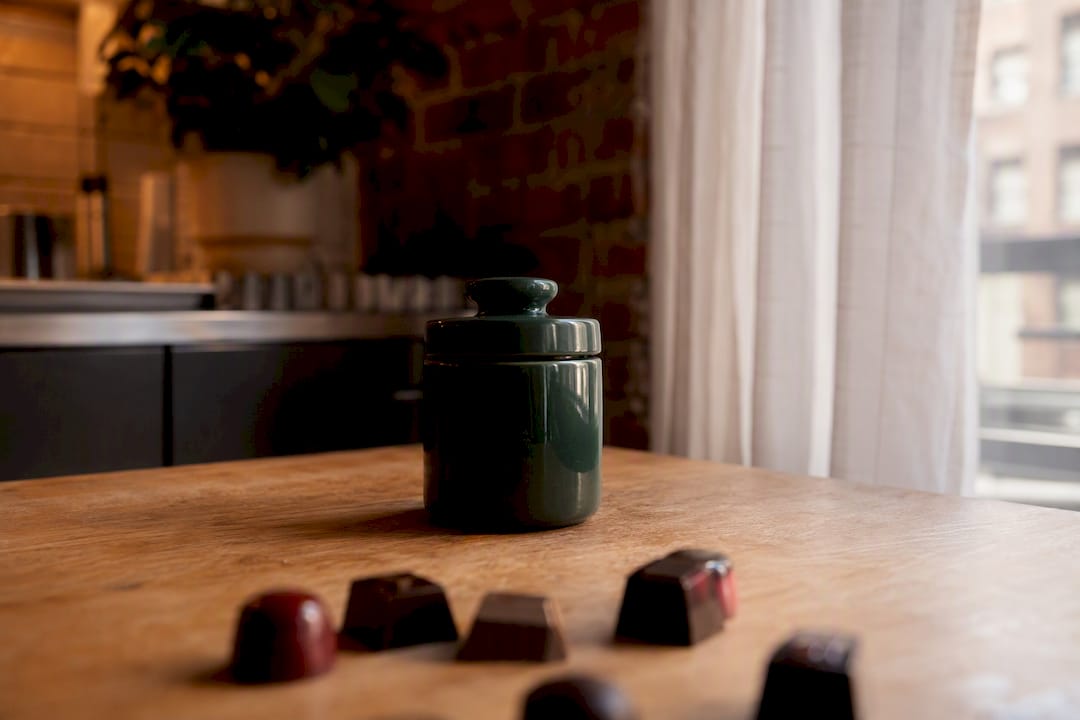
Heat, light, oxygen, and humidity are the four forces working against every edible in your cabinet, and they attack both food safety and potency at the same time. A gummy left on a sunny windowsill degrades faster on both fronts than the same gummy in a dark drawer.
- Heat accelerates fat oxidation and speeds THC-to-CBN conversion
- UV light is one of the biggest drivers of cannabinoid breakdown, even more than moderate temperature swings
- Oxygen exposure dries out gummies and turns chocolate dull and waxy
- Humidity invites mold on baked goods and causes sugar bloom on candy
Formulation matters just as much as environment. High-fat, high-moisture edibles like brownies and cheesecake bites spoil within days at room temperature, while dry, sugar-based gummies can coast for months. Packaging closes the gap between the two: vacuum-sealed pouches, opaque containers, and airtight jars all slow degradation more reliably than chasing an exact temperature number.
Pro Tip: Blocking light does more for potency than shaving a few degrees off your storage temperature. If you only fix one thing, get edibles out of direct sun.
How Can You Tell If an Edible Has Gone Bad?
Trust your senses before you trust the calendar. A quick check takes ten seconds and saves you from an unpleasant afternoon.
- Look for visible mold, discoloration, or a white filmy coating that isn’t normal sugar bloom.
- Smell it. Sour, musty, or rancid odors mean bacteria or oxidized fat, not a THC problem.
- Check the texture. Unusual stickiness, sogginess, or a hardened, dried-out surface both signal trouble.
- If none of that shows up but the edible is old, assume it’s weaker rather than unsafe.
- Be extra cautious with homemade or unlabeled edibles since you have no lab report or printed date to fall back on.
Spoilage signs mean toss it, full stop. Weak potency with no spoilage signs just means you dose differently, not that you skip it entirely.
Best Practices for Storing Edibles Long Term
Good storage is mostly about consistency, not perfection. Aim for a cool spot between 55 and 70°F, away from windows, stoves, and radiators, and keep everything dark, dry, and sealed.
- Store edibles in original labeled packaging whenever possible; it already carries dosage and date info
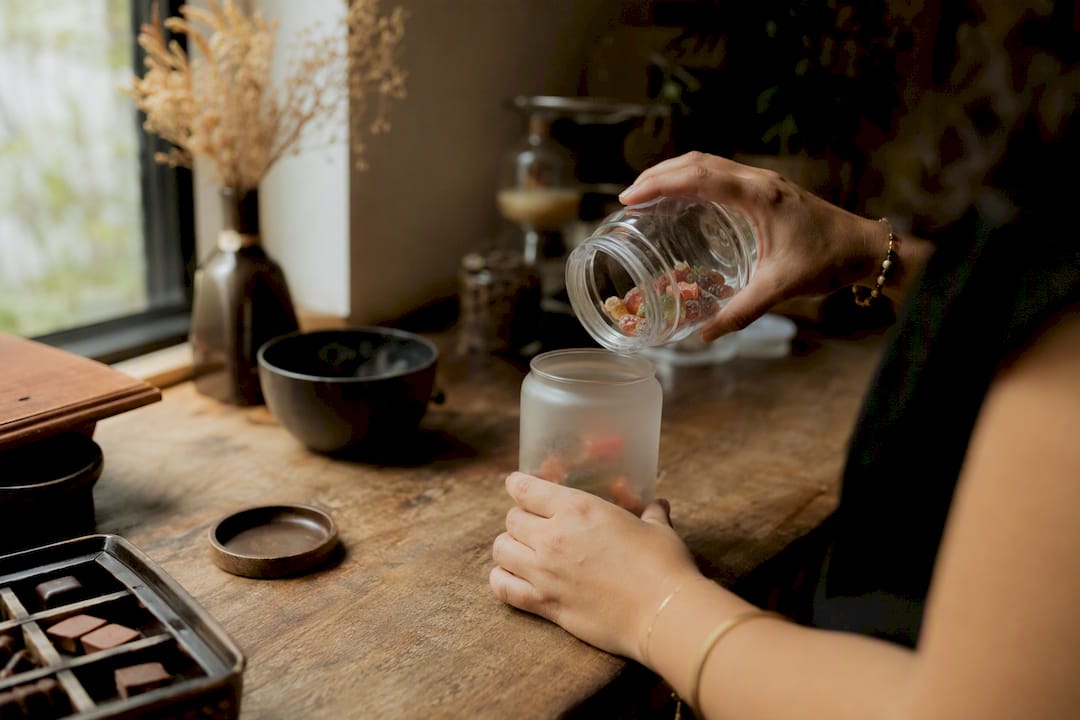
- If you’ve opened the package, transfer contents to an opaque glass jar, a vacuum-sealed pouch, or a resealable container with a small desiccant packet
- Keep dairy or egg-based baked goods refrigerated and eat them within 1 to 2 weeks
- Avoid the kitchen counter near appliances that generate heat, even briefly
- Never store edibles in a car, especially during summer or winter extremes
Humidity control matters more than people expect. A desiccant packet inside a resealable bag prevents the soggy texture that ruins gummies and invites mold on baked treats.
Pro Tip: When moving edibles into a new container, do it quickly and in a cool room. Extended air exposure during the transfer undoes weeks of careful storage in about five minutes.
Does Freezing Edibles Actually Preserve Potency?
Freezing works well for cannabinoid preservation, but it comes with a texture trade-off worth knowing about upfront. THC holds steady far better in a freezer than in a pantry, since cold halts most of the chemical reactions that drive THC-to-CBN conversion.
- Refrigerate dairy- or egg-based edibles for short-term storage, 1 to 2 weeks
- Freeze individual portions of brownies, cookies, or bars for storage measured in months, not weeks
- Wrap each piece tightly in plastic wrap, then place it in a sealed bag or container to block moisture and prevent freezer burn
- Expect softer or slightly gummy texture after thawing baked goods; gummies can turn firmer or grainy
Freezing beats refrigeration for anything you won’t finish within two weeks. It’s a genuine trade: you gain months of potency in exchange for a texture that’s a little different than fresh.
Commercial vs. Homemade Edibles: Why Labels and Lab Testing Matter
Dispensary edibles carry information homemade batches simply can’t offer. Licensed products list dosage per piece, a best-by date, and a lab report confirming actual THC content, which turns shelf-life guesswork into a known quantity. Regulators like the Nevada Cannabis Compliance Board require product-specific stability testing before a producer can extend shelf life past default limits, so a printed date on a legal product actually means something.
- Dispensary edibles: dosed labels, tested potency, printed expiration dates
- Homemade edibles: no lab verification, so label your own batches with the prep date
- Homemade items should skew toward refrigeration or freezing since they lack commercial preservatives
If you make your own, our guide to cannabis brownies covers storage steps worth following from day one.
What Should You Expect From an Older Edible?
An aged edible is far more likely to underwhelm you than to hurt you, assuming it shows no spoilage signs. As THC degrades into CBN, the effect shifts toward mellow and sedating rather than sharp and euphoric, and potency generally holds fairly well for the first 3 to 6 months before gradual decline sets in.
- Start with half your usual dose if the edible’s age or storage history is uncertain
- Wait at least 90 to 120 minutes before considering a second dose, since edibles absorb slowly to begin with
- Discard anything showing mold, off smells, or texture changes, no exceptions
- If it just looks and smells normal but is old, dose conservatively rather than skipping it
If you’re new to gauging doses on inconsistent potency, our beginner’s guide to dosing edibles safely walks through the math in plain terms.
What Storage Advice Gets Wrong
Most storage advice treats every edible as if it degrades at the same pace, and that’s the biggest gap I see. A hard candy and a cream-filled brownie have nothing in common shelf-life wise, yet generic guides lump them together under one vague “store in a cool, dark place” line. The two-path framework, spoilage versus potency, is the only mental model that actually holds up once you’re staring at a six-month-old edible and trying to decide whether to eat it.
The other thing conventional wisdom underplays is light exposure. People obsess over temperature control and ignore that a clear jar on a shelf is quietly converting THC to CBN every day it sits there. Fixing that costs nothing, just move the jar.
My honest priority order: check for spoilage first, always. If it’s clean, assume reduced potency and dose accordingly. And if consistency matters to you, buying dispensary-tested edibles with real dates removes most of this guesswork before it starts.
— Jake
Skip the Guesswork With Tested, Dated Edibles
Storage tricks only get you so far when you don’t know the starting potency or the manufacture date to begin with. Highfashionsmokesandprints solves that at the source: every edible we deliver comes lab-tested and clearly labeled, so you’re never estimating how much THC actually degraded since purchase.

We serve same-day and scheduled delivery across New York City, with day and night menus you can browse on your own time, secure age verification, and order tracking so you know exactly when your edibles arrive fresh from the shelf. If you’re newer to edibles or rebuilding your stash after tossing an old batch, our best THC edibles for beginners page is a solid starting point, with clear dosing and product details built in. Browse the current menu and place an order today to get edibles with a known potency and a real expiration date, not a guess.
Sources
- Shelf-life Bulletin for Cannabis Establishments – Nevada Cannabis Compliance Board
- Do Edibles Expire? Shelf Life, Potency & Safety Explained (2026)
- NCBI resource on cannabinoid stability and degradation
- USDA/FSIS — Food safety basics for shelf-stable foods