Read our Google Birdeye Reviews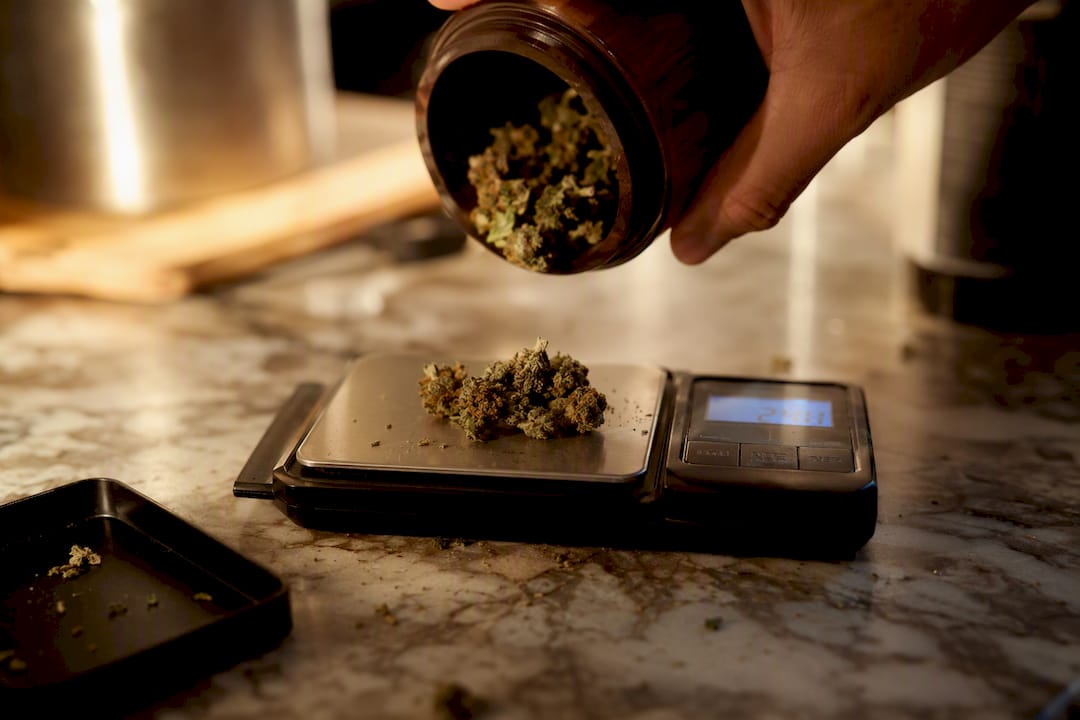
An eighth is about three and a half grams, a quarter is about seven grams, a half is about fourteen grams, and a full ounce is about twenty-eight grams. A gram is the smallest standard retail unit, and a pound (about 453 grams) rarely shows up outside wholesale or cultivation contexts. These numbers are rounded for convenience: a true eighth of an ounce is 3.54375 grams, and an ounce is technically 28.35 grams, but the industry rounds both down for simplicity. Here’s the cheat sheet to keep on hand.
| Unit | Grams (rounded) | Precise Grams | Common Use |
|---|---|---|---|
| Gram | 1 g | 1 g | Single session, sampling a new strain |
| Eighth | 3.5 g | 3.54375 g | Weekly personal stash |
| Quarter | 7 g | 7 g | Biweekly or moderate use |
| Half | 14 g | 14 g | Monthly stock for regular users |
| Ounce | 28 g | 28.35 g | Best per-gram value, requires storage |
| Pound | 453 g | 453 g | Wholesale/cultivation only |
Key Takeaways
Getting cannabis measurements right means knowing gram equivalents, understanding that THC percentage is a theoretical estimate rather than a guaranteed effect, and buying only from licensed sources with verifiable lab testing.
| Point | Details |
|---|---|
| Standard unit conversions | An eighth is 3.5g, a quarter is 7g, a half is 14g, and an ounce is 28g, all industry-rounded figures. |
| THC percentage math | 1% THC by weight equals 10 mg per gram, but total THC uses the formula (0.877 × %THCA) + %THC. |
| Label accuracy varies | Independent testing has found gaps between labeled and measured THC, so COAs from licensed labs matter. |
| Storage affects value | Airtight glass jars at 55 to 62% humidity preserve terpenes better than refrigeration or loose bags. |
| Buy from tested sources | Highfashionsmokesandprints delivers lab-tested, COA-backed flower same-day across NYC since 2011. |
Table of Contents
- What Weed Measurements Actually Look Like
- Grams, Eighths, and Ounces: A Buying Guide by Size
- Dime, Dub, and Zip: What Old Weed Slang Actually Meant
- How THC Percentage Actually Translates to Milligrams
- Buying the Right Amount and Keeping It Fresh
- Legal Possession Limits You Need to Know
- Common Packaging Formats and What They Actually Weigh
- Does Moisture Content Change What You’re Actually Paying For?
- Getting an Accurate Weight: Scales and Calibration
- Frequently Asked Questions
- Sources
What Weed Measurements Actually Look Like
Numbers on a screen don’t mean much until you’ve held the product. A gram of dense indica bud looks smaller than a gram of fluffy sativa, because density varies by strain, moisture, and how tightly the flower was trimmed. As a rough visual anchor, a single gram is close to the size of a blueberry when compacted, while an eighth resembles half a small apple in volume, though bud density can shift that noticeably in either direction.
Session math helps translate weight into actual use:
- A standard joint uses about 0.5 grams, so an eighth (3.5g) yields roughly 7 joints.
- A pipe or bong bowl typically holds 0.2 to 0.3 grams, stretching an eighth across 12 to 17 bowls.
- A vape load runs 0.1 to 0.2 grams, meaning a single gram can fill 5 to 10 loads depending on the device.
Statistic Callout: Joint and bowl sizes swing by strain density and grind consistency — the same 3.5 grams can produce anywhere from 6 to 9 joints depending on how tightly you roll and how airy the flower is. This session math comes from standard consumer guidance, not a fixed rule, so treat it as a planning range rather than a guarantee.
Grams, Eighths, and Ounces: A Buying Guide by Size
Every weight tier serves a different kind of buyer, and understanding why prices shift per gram as quantity increases will save you money over time.
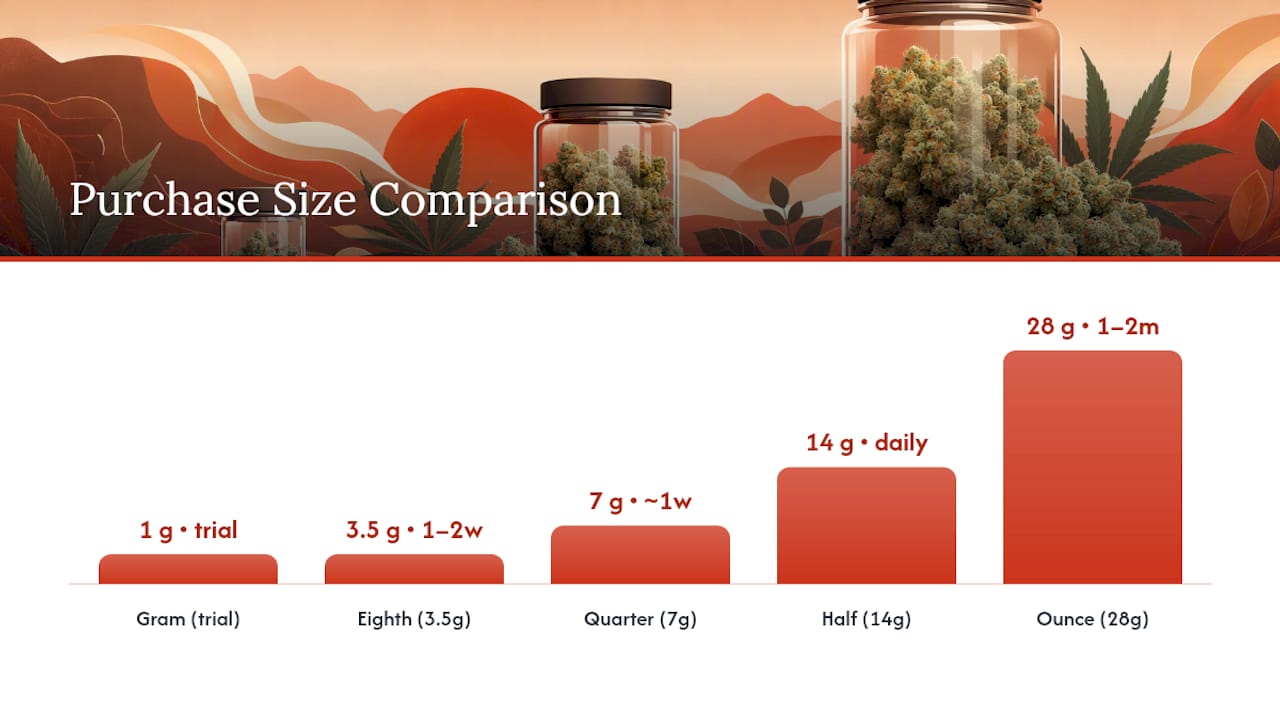
1. The gram. This is the entry point, and it’s the right call if you’re trying a new strain for the first time or you only smoke occasionally. Per-gram cost is highest here because you’re paying for packaging and handling on a small unit, not because the flower itself is more valuable.
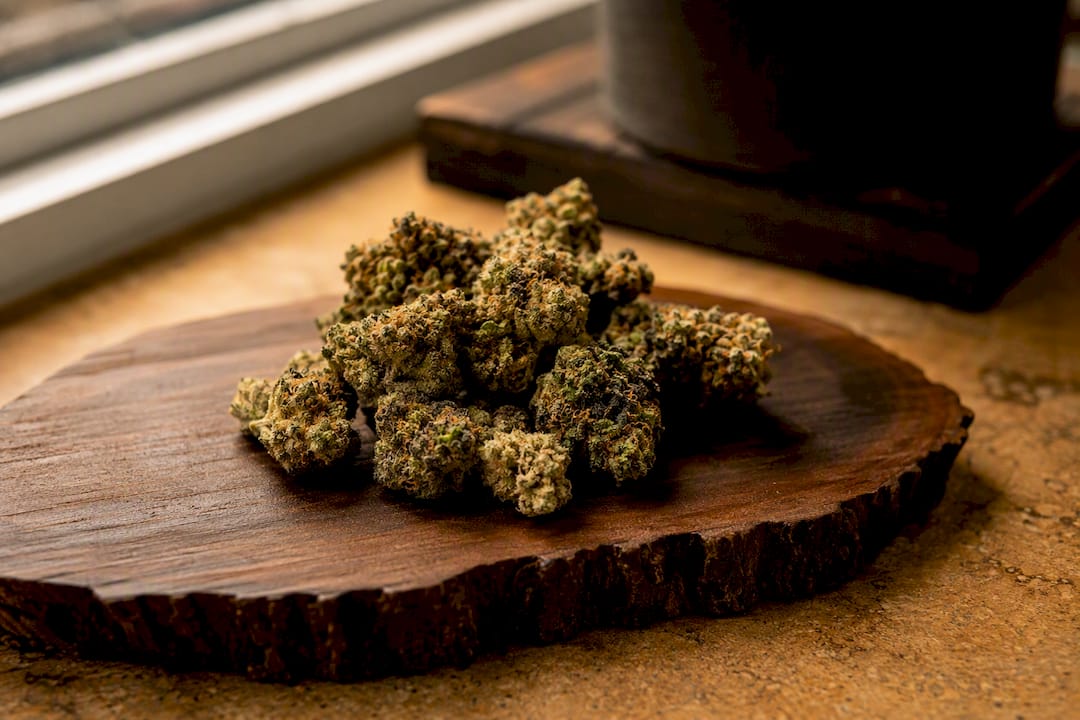
2. The eighth (3.5g). This is the most commonly purchased size in legal markets, and for good reason. It’s enough to last a light-to-moderate smoker one to two weeks without going stale, and it’s small enough that a bad batch doesn’t feel like a wasted investment. Weedmaps notes that eighths remain the default unit most dispensary menus are built around, which is part of why the term has stuck even as legal markets have standardized on metric weights.
3. The quarter (7g). Double the eighth, half the price-per-gram premium. This tier suits someone who smokes several times a week and wants to avoid making a dispensary run every seven days. It’s also a practical size for splitting between two people without either person running out first.
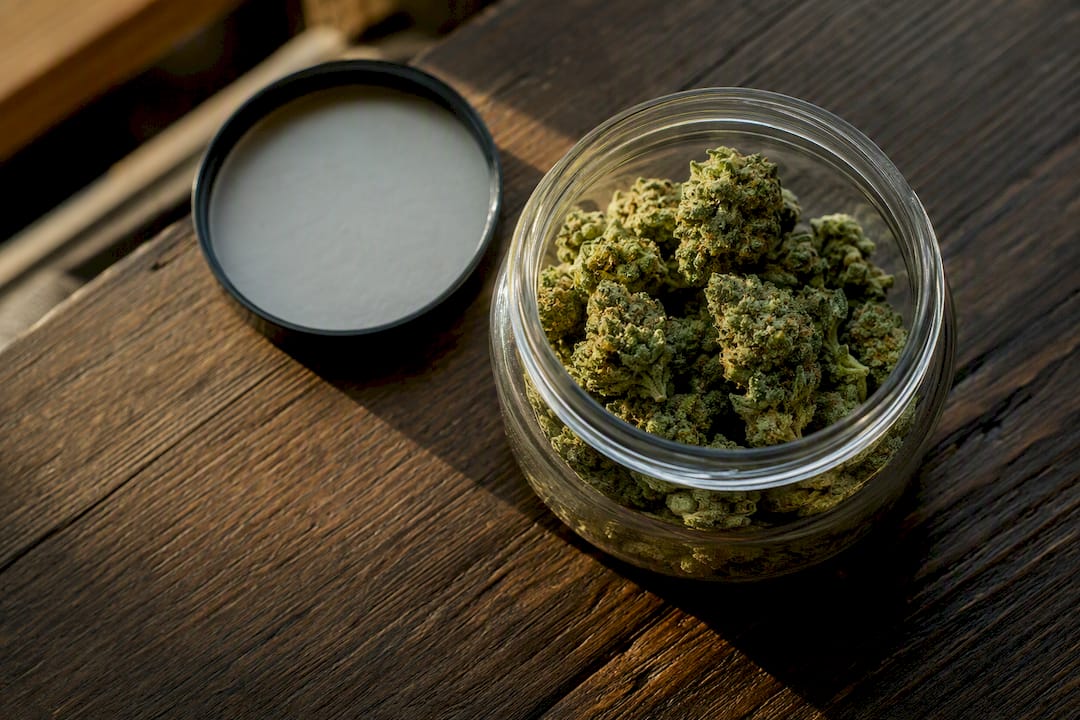
4. The half (14g). At this point, you’re buying with intention, not convenience. Half-ounces make sense for daily consumers or households where more than one person is drawing from the same jar. The per-gram price drop here is meaningful, often 15 to 25% cheaper per gram than an eighth of the same strain, though exact discounts vary by dispensary and product tier.
5. The ounce (28g). This is where per-gram value peaks for most consumers, but it comes with a real tradeoff: freshness. Flower loses terpenes over time regardless of size, so buying a full ounce only makes financial sense if you can realistically consume it within a month or two, or if you’re storing it properly enough to slow that decline.
Pricing tiers roughly break down like this across most legal markets:
- Budget flower: Often mass-produced, lower THC percentage, priced to move volume.
- Mid-shelf: The bulk of dispensary inventory, balancing potency, terpene profile, and price.
- Craft or top-shelf: Small-batch, hand-trimmed, higher terpene density, priced at a premium per gram across every size tier.
One more thing before you stock up: possession limits vary significantly by state and country, and buying an ounce doesn’t automatically mean you can legally carry that much on you. Check your local regulations before assuming a purchase size is also a legal carry amount.
Dime, Dub, and Zip: What Old Weed Slang Actually Meant
Before legal dispensaries existed, cannabis was priced and described in dollar amounts, not grams. Those terms still float around casual conversation, but they’re unreliable in a regulated storefront.
- Dime bag: Originally $10 worth of weed, typically around 1 gram depending on local street pricing at the time.
- Dub: $20 worth, usually 2 grams, though quality and city hugely affected the actual weight.
- Zip: Slang for a full ounce (28 grams), because the amount typically came sealed in a ziplock bag.
- Quad: Shorthand for a quarter ounce (7 grams).
- Slice: Less common, sometimes used for an eighth in certain regional markets.
These terms were never standardized. A dime bag in one neighborhood might weigh noticeably more or less than one three blocks over, because the price reflected the dealer’s markup, not a fixed weight. Regulated dispensaries moved away from this system entirely, selling exact gram weights with printed labels instead, which is a big part of what separates the legal market from the old street economy.
Pro Tip: Never assume a slang term equals a specific weight when buying legally. Always check the label or ask to see the product on a scale, especially with pre-packaged goods where the gram count is printed right on the package.
How THC Percentage Actually Translates to Milligrams
A THC percentage on a label is a percent-by-weight measurement, and converting it to something useful is simpler than it looks: 1% THC by weight equals 10 milligrams of THC per gram of flower.
That number comes with an asterisk, though. Raw flower contains THCA, not active THC, until heat converts it through decarboxylation. Labs account for this using a standard formula:
Total THC = (0.877 × %THCA) + %THC
The 0.877 multiplier exists because THCA is a heavier molecule than THC, and it loses mass converting from acid to active form during decarboxylation. This gives you a theoretical maximum, not a guarantee of what you’ll actually absorb.
Statistic Callout: Vandrey and Schwabe’s independent testing found real gaps between labeled THC content and what was actually measured in flower products, which is why the label number should guide expectations, not set them in stone.
Actual psychoactive effect depends on how efficiently you decarboxylate (a vaporizer at the right temperature converts more THCA to THC than a poorly lit joint), your tolerance, and your consumption method. Leafly’s breakdown of THC and CBD testing makes clear that total THC on a label is an estimate, not a prediction of how strong something will actually feel to you. If you’re weighing flower potency against an edible, Washington’s regulatory guidance points to 10 mg as a common single-serving benchmark, though limits differ by jurisdiction. For a deeper look at how percentage and perceived strength don’t always match, see our piece on whether higher THC numbers are actually overhyped.
Always buy from licensed vendors who post a certificate of analysis (COA), since that’s your best defense against the label-accuracy gaps studies have documented.
Buying the Right Amount and Keeping It Fresh
Match your purchase size to your actual habit. Daily smokers do better buying a half or ounce for value; occasional users should stick to grams or eighths to avoid stale flower sitting in a drawer for months.
- Store flower in an airtight glass jar, away from direct light.
- Keep humidity between 55 and 62% with a small hydration pack if your climate runs dry.
- Never refrigerate or freeze flower. Cold temperatures degrade trichomes and terpenes over time.
- Store containers out of reach of children and pets, and follow your local storage laws.
Pro Tip: Buy smaller amounts more often if you’re chasing peak terpene flavor. Freshness fades faster than potency, so an eighth bought weekly often tastes better than an ounce bought once a month.
Legal Possession Limits You Need to Know
Possession limits are set at the state, country, or provincial level, and they vary widely. Some jurisdictions cap adult possession at one ounce (28 grams) of flower in public, while allowing a larger amount, sometimes several ounces or more, to be stored at home. Others draw a hard line with no distinction between home and public possession at all.
These limits usually apply per person, not per household, and concentrates or edibles are often counted differently than flower. A dispensary might sell you an ounce of flower and a vape cartridge in the same visit, but your state’s possession cap may weigh those products against different thresholds, sometimes using conversion ratios that treat concentrates as equivalent to a larger flower weight.
Crossing jurisdictional lines matters too. Cannabis legal to possess in one state can become a federal or state offense the moment you carry it across a border, even between two states that have both legalized recreational use. Before you buy in bulk, or before you travel with any amount at all, check your specific state or country’s current possession statute directly rather than relying on what a friend told you or what applied a few years ago, since these laws get revised more often than most people expect.
Common Packaging Formats and What They Actually Weigh
Dispensary packaging isn’t random. Most legal markets standardize container sizes around the same gram tiers discussed above, which makes menu browsing far more predictable than the old baggie system ever was.
Pre-rolls typically come individually labeled with exact gram weights, often 0.5g or 1g per unit, sometimes sold in multi-packs. Flower itself usually ships in one of three formats: small mylar bags or pop-top jars for grams and eighths, wide-mouth jars for quarters and halves, and vacuum-sealed bags for full ounces to preserve freshness during longer shelf time. Concentrates and vape cartridges use their own scale entirely, usually measured in fractions of a gram (0.5g and 1g cartridges are standard) rather than the flower-based units above.
Every legal package should carry a printed weight, batch number, and THC percentage, tying directly back to its COA. If a package’s printed weight looks suspiciously round or the label lacks a batch number, that’s a signal to ask questions before you buy, not after.
Does Moisture Content Change What You’re Actually Paying For?
Yes, and this is one of the most overlooked factors in cannabis pricing. Flower that’s slightly over-dried weighs less per bud than properly cured flower, which means a gram of dry, brittle cannabis may represent less actual plant material than a gram of flower cured at ideal humidity.
The reverse problem is worse for consumers: flower that’s too moist weighs more because it’s carrying extra water weight that contributes nothing to potency or flavor. You’re effectively paying flower prices for water content. This is part of why proper curing, and proper storage after purchase, matters as much for your wallet as it does for taste. Overly moist flower also raises mold risk, which is a separate safety concern beyond just getting shorted on product.
Because THC percentage is measured by weight, moisture content can also skew potency testing slightly. A batch tested while slightly under-cured may show an artificially higher percentage, since the water hasn’t fully evaporated out of the sample yet. This is one more reason lab timing and testing consistency matter, and why a COA from a reputable, licensed lab carries more weight than a number printed on a menu.
Getting an Accurate Weight: Scales and Calibration
If you want to verify what you’re buying, a digital milligram or gram scale is the only reliable tool. Kitchen scales built for cooking often lack the precision to distinguish 3.5 grams from 3.2 grams, and that difference matters when you’re paying eighth prices for less than an eighth.
Buy a scale with at least 0.01-gram precision if you plan to verify small purchases regularly. Calibrate it using a set of calibration weights (most jewelry and pocket scales come with instructions for this), and recalibrate periodically since scales drift over time with regular use.
A few practical habits matter more than the scale itself:
- Place the scale on a hard, flat, level surface, not carpet or an uneven counter.
- Zero out the scale (tare it) before adding anything, including the container if you’re weighing product still inside it.
- Let flower settle for a few seconds before reading the number, since some digital displays fluctuate briefly on first contact.
- Weigh in a room without a fan or draft blowing across the tray.
Dispensary staff should have no issue weighing your purchase in front of you if you ask, and doing so is one of the simplest ways to confirm you’re getting what you paid for.
A Note From High Fashion Smokes and Prints
We’ve served NYC since 2011, and every gram we deliver same-day comes from lab-tested stock. If you’re ever unsure about a COA or a percentage on a label, ask. That’s what we’re here for.
Where to Find Tested Flower and Straight Answers
Knowing your grams from your eighths only helps if what’s actually in the jar matches the label, and that’s where a lot of dispensaries fall short. Highfashionsmokesandprints has run same-day cannabis delivery across NYC since 2011, and every product on the menu ships with lab testing behind it, so the percentage you read is the percentage you’re actually buying.

If you’re weighing flower potency against a pre-dosed alternative, using a CBD dosage calculator can help you understand mg-per-serving math the same way this guide broke down grams and percentages. Ready to see tested stock for yourself? Browse the current vape cartridge selection or head to our full menu to place a same-day order.
Frequently Asked Questions
How many grams are in an eighth?
An eighth equals 3.5 grams, rounded from the precise 3.54375 grams that a true eighth of an ounce works out to.
What does THC percentage actually mean?
It’s a percent-by-weight measurement, meaning 1% THC equals 10 mg of THC per gram of flower, though the actual effect depends on decarboxylation and consumption method.
Does THC percentage matter as much as people think?
It matters as one data point, but terpene content, strain, and tolerance all shape the actual experience just as much as the number on the label.
What’s the difference between an eighth and a quarter?
A quarter is exactly double an eighth: 7 grams versus 3.5 grams, typically at a lower per-gram price.
Is high THC always better than low THC?
Not necessarily. High-THC flower can overwhelm new consumers, while lower-THC strains with strong terpene profiles often deliver a more balanced experience.
What do dime, dub, and zip mean in weed slang?
They’re old dollar-based street terms: a dime was roughly $10 (about 1 gram), a dub was $20 (about 2 grams), and a zip meant a full ounce (28 grams).
How do I measure weed accurately at home?
Use a digital scale with at least 0.01-gram precision, tare it before weighing, and place it on a flat, level surface away from drafts.
Sources
- Understanding THC concentration and potency (Washington LCB)
- Weights, quantities, and prices | Weedmaps
- Percent by weight — CannabisGloss
- The Ultimate Guide to Weed Measurements (MedMen)